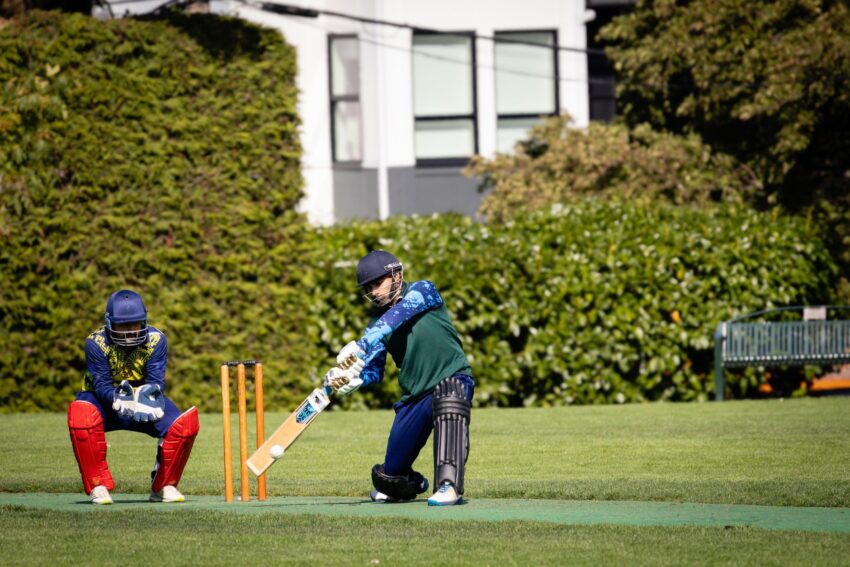
The greatest Test all-rounder is a topic that sparks passionate debates among cricket fans. This article explores the statistics and achievements of the top contenders in this prestigious category.
Who Defines the Greatest Test All-rounder?
The debate surrounding who defines the greatest Test all-rounder in cricket is one that has captivated fans and experts alike. While statistics play a crucial role in this discussion, the attributes that contribute to this title extend far beyond mere numbers. Several key factors come into play when evaluating a player’s all-round capabilities.
First, performance consistency is essential. An all-rounder must deliver match-winning contributions with both bat and ball over an extended period. This reliability under pressure often sets the greats apart from the rest.
Second, adaptability is crucial. The ability to perform in varying conditions and against diverse opponents showcases a player’s true skill level. Great all-rounders can adjust their game strategy based on pitch conditions and match situations.
Another significant aspect is the impact on team success. A player’s contributions should ideally correlate with their team’s victories, making their role in key matches indispensable.
Finally, the intangibles such as leadership, charisma, and their ability to inspire teammates play a vital role in defining greatness. Iconic all-rounders not only lead by example on the field but also uplift the performance of those around them.
Ultimately, while statistics provide a foundation, the true measure of the greatest Test all-rounder encompasses a blend of performance, adaptability, impact, and leadership.
Key Statistics of Top All-rounders
In the realm of cricket, the title of the greatest Test all-rounder is often debated, and statistics play a crucial role in this discussion. Here are some key statistics that highlight the achievements of the top contenders:
- Jacques Kallis: With over 13,000 runs and 300 wickets, Kallis boasts an impressive average of 55.37 with the bat and 32.65 with the ball. His consistency and longevity in the game make him a strong candidate for the title.
- Ian Botham: A legendary figure in cricket, Botham took 383 wickets and scored 5,200 runs in his Test career. His ability to change the course of a match single-handedly sets him apart.
- Kapil Dev: The World Cup-winning captain of India, Kapil scored 5,248 runs and took 434 wickets. His all-round performance was pivotal during his era, showcasing his skills with both bat and ball.
- Richard Hadlee: Known for his exceptional bowling, Hadlee claimed 431 wickets and also contributed 3,124 runs. His influence on the game remains significant.
These statistics not only reflect individual brilliance but also demonstrate the impact these players had on their respective teams, solidifying their legacies as some of the greatest Test all-rounders in cricket history.
Comparing the Best: A Statistical Approach
To determine the greatest Test all-rounder, a statistical approach is essential. Analyzing key metrics such as batting averages, bowling figures, and overall contributions to the game can provide clarity on who stands out among the legends of cricket.
When comparing the best, it is vital to consider the following statistics:
- Batting Average: A high batting average is indicative of a player’s consistency and ability to score runs under pressure.
- Bowling Average: This statistic reveals a bowler’s effectiveness and capability to take wickets, which is crucial for an all-rounder.
- Match Contributions: The number of all-round performances that significantly influenced match outcomes can highlight a player’s impact on their team’s success.
For instance, players like Sir Garfield Sobers and Jacques Kallis have set benchmarks with their remarkable records. Sobers boasts an impressive batting average of over 57, coupled with a bowling average of 34. Kallis, on the other hand, is renowned for his 10,000+ runs and over 300 wickets, solidifying his claim as one of the greatest Test all-rounders.
As we delve deeper into the stats, it becomes evident that the race for the title of the greatest Test all-rounder is not just about individual brilliance but also about the contributions that shaped the teams they played for.
Historical Impact of All-rounders in Test Matches
The role of all-rounders in Test cricket has historically been pivotal, shaping the outcomes of matches and influencing team dynamics. The greatest Test all-rounder is often determined not only by individual statistics but also by their ability to change the course of a game with both bat and ball.
All-rounders bring a unique skill set that can provide balance to a team. Their contributions can be broken down into several key impacts:
- Match-winning Performances: All-rounders have a knack for stepping up in crucial moments, often turning the tide in favor of their team. Their dual capabilities allow them to contribute significantly during both batting and bowling phases.
- Team Balance: A strong all-rounder can enhance the team’s composition, allowing for flexibility in strategies. Coaches often favor players who can perform in multiple roles.
- Mentorship and Leadership: Established all-rounders often take on mentorship roles, guiding younger players and sharing their experience, which can be invaluable for team cohesion.
Overall, the historical impact of all-rounders in Test matches is undeniable. From legends like Sir Garfield Sobers to modern-day icons, their legacy continues to define what it means to be the greatest Test all-rounder.
Fan Opinions on the Greatest All-rounder
As fans across the globe debate the title of the greatest Test all-rounder, opinions vary widely based on personal experiences and regional biases. Social media platforms have become a vibrant battleground for cricket enthusiasts to express their views on who deserves this esteemed title.
Many fans highlight the outstanding achievements and contributions of players like:
- Sir Garfield Sobers – Often considered the benchmark for all-round excellence, Sobers’ versatility with bat and ball has left a lasting legacy.
- Kapil Dev – The Indian legend is celebrated for leading his country to its first World Cup victory while also being a formidable all-rounder.
- Ian Botham – Known for his match-winning performances, Botham’s charisma and skill have earned him a loyal fan base.
- Jacques Kallis – With remarkable statistics and consistency, Kallis is regarded by many as the most complete all-rounder in the modern era.
Others point to current stars like Ben Stokes, whose recent heroics in high-pressure situations have sparked discussions about his potential to be the greatest in the future. Fans often argue that the criteria for being the greatest Test all-rounder should encompass not just statistics, but also impact on the game and memorable performances.
Photo by Lorien le Poer Trench on Pexels
Read the original
Related reading
Narendra Modi remark: The Right Reaction from Vaibhav Sooryavanshi · Are Colorado Sports Bettors Facing Serious Problems? · Online Gambling Growth: Greece Reports €1.558b GGR